
The CROWN Act
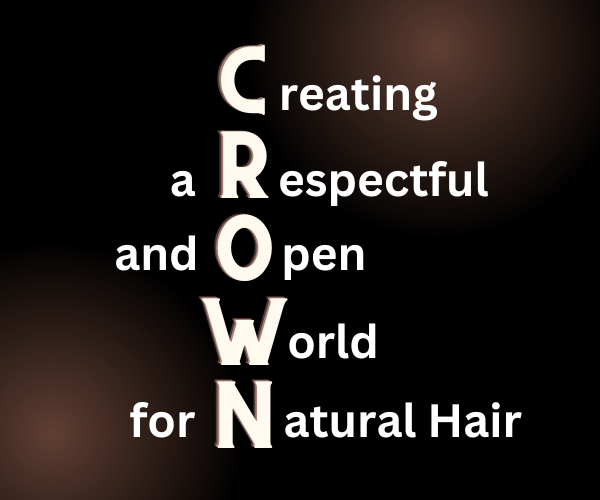
Here is one example: hair. The CROWN (Creating a Respectful and Open World for Natural Hair) Act (2019) was created to establish protection against discrimination based on race-based hairstyles including hair texture and protective styles (ie: braids, locs, twists, and knots) in the workplace and public schools (www.thecrownact.com).
An act had to be established to protect a race of people for something as simple as hair. At this time, the CROWN Act is now a law in nineteen states. Many other states have either filed or pre-filed legislation. Yes, laws like this are needed to protect black/brown interpreters in the interpreting profession as well.
In 2022, I (Shawnda) was informed that an agency I was planning to work with had discriminatory clauses in their contract. One discriminatory clause was “no dreadlocks.” After several conversations, the agency refused to address any of the discriminatory clauses but did change “no dreadlocks'' to “no unprofessional dreadlocks.” Sadly, this is an issue we experience often.
We have had several discussions with students in Interpreter Training Programs (ITPs) regarding hair. They often ask how they should wear their natural hair or get excited when they see our natural hair. It is literally our natural hair that grows out of our head, so there should be no need for discussion. However, it is often labeled “unprofessional.”
Take some time to learn more about the CROWN Act:
Visit the CROWN Act Website
- View
- Make attempts: 1
Grading method: Highest grade