
Common Responses to Microaggressions
Think of a situation where someone told you an offensive or inappropriate comment. Were you defensive or receptive? What led to your response?
Common responses to microaggression:

Growing up, we heard the phrase “Sticks and stones may break my bones, but words will never hurt me.” We all now know that this phrase is not true. Words do hurt and cause unnecessary, long lasting trauma to individuals. Imagine someone says something that hurts your feelings, so you tell that person they hurt your feelings. Instead of listening and apologizing, they begin to cry and say, “I didn’t mean it like that.” It does not matter how you meant it when you are not the person feeling the impact.
Here’s another example: My friend and I are joking around and “play fighting”. I jokingly hit them and they say, “Ouch!” I say, “I didn’t hit you that hard” but they respond, “No, that really hurt.” I cannot tell them it did not hurt. I did not intend to hurt them, but I did and cannot tell them how to feel. The same goes with your words and microaggressive comments/behaviors. Your intentions may not have been to be hurtful but you cannot control the impact that it has on someone else. Remember: Impact over intent.

You are not being sensitive. This is a deflection tool used when someone is not willing to be receptive and accept responsibility for their actions.
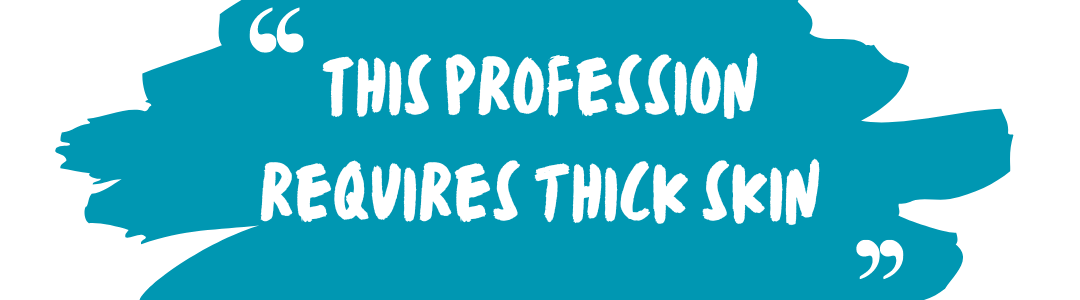
We need to reconsider the narrative of “needing thick skin” in this profession. It has never been nor will it ever be appropriate to tell someone they “need to develop thick skin” to excuse disrespectful comments and behaviors. A better approach may be training and educating interpreters on how to appropriately deliver constructive feedback. Respect should be in everything we do.

Unfortunately, having Black friends or family members does not prevent a person from engaging in microaggression. Unfortunately, some of the worst microaggression I have experienced has been from people who did not think they had any biases because they have Black people in their life in some capacity. Regardless of who you know, it is important to engage in honest self-introspection to help identify possible biases.
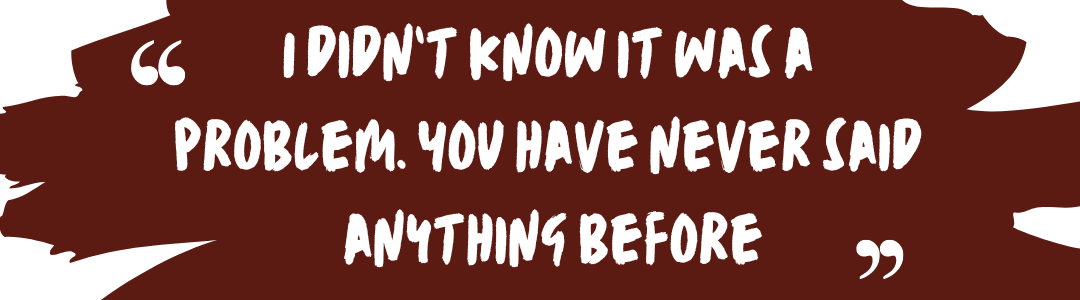
People respond to microaggression in many different ways. Some may confront it immediately while some may need time to process the situation before confronting it. Some may choose to process it alone or with a support group. Black/brown individuals experience microaggression in every facet of our lives. We simply cannot address every situation we face. It is draining. Sometimes we do not have the energy to address it, and other times we are trying to not fall over the ledge. A person’s previous response is irrelevant. It has not always been easy confronting microaggression due to fear of retaliation.
- View
- Make attempts: 1
Grading method: Highest grade