
Common Responses to Experiencing Microaggression

Let’s discuss some of the common responses to experiencing microaggression.
No matter how much we try to educate, microaggression happens over and over in this field, and it is exhausting and frustrating.
No, you are not being sensitive. Your feelings are valid.
You should figure out what is best for yourself and the clients involved. I (Shawnda) have experienced situations where I was able to stay until the job was complete. However, I will not work with those individuals again. I have experienced microaggression from clients as well. In those cases, I turn down requests if specific clients or interpreters are involved.
We will not always have the energy to address every situation then and there. Do not beat yourself up. There have been times where I (Jasmine) did not speak up solely because I did not have the energy. Sometimes it’s because I know that I have a job to do and if I address the comment made, I might set it off.
*To my white colleagues: Do not tell black/brown interpreters they need to speak up more. I (Shawnda) have had this stated to me several times. Sometimes energy has to be saved to get the job done. Sometimes a person may want to step away from the situation, so they can calm down and not react out of emotions. Instead of telling someone to speak up more, it would be more impactful if we had true allies that support all members of marginalized groups.
Clip from Conversation with Lee Stoutamire-Ramirez
Lee is in the upper left corner. The conversation is interpreted by Darryl Smith who is on the right half of the video screen. LaShawnda and Jasmine are in the bottom left corner.

Do not allow anyone to tone police or make you feel guilty for responding to microaggression.
Let's be honest - it is exhausting always having to approach the situation delicately when people get reckless with comments/behaviors. It often feels like, “Well they are reckless with their mouths, so why am I expected to filter my response to protect their feelings?” It is not being rude. It is pure and utter frustration for the lack of regard for our feelings, yet we have to be careful to not hurt your feelings. This is white fragility.
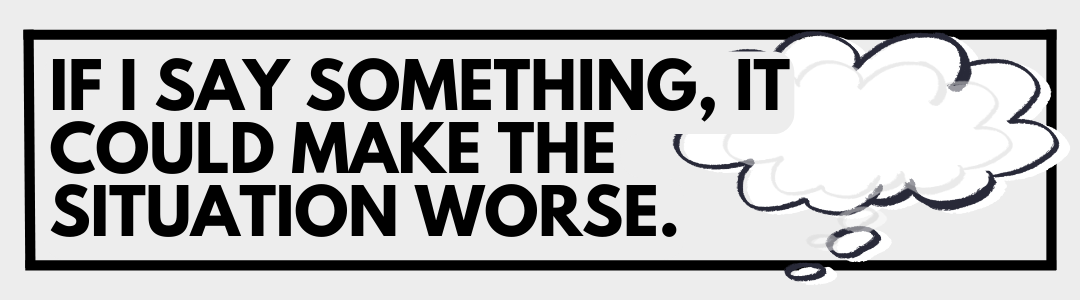
No one enjoys any type of confrontation, especially when it is unintentional. However, that does not mean you have to withhold your truth. If you are dealing with someone who is reactive, they are likely to be defensive and snap back. It can create an uncomfortable situation for all. I (Shawnda) remind myself that I cannot control how they respond, but my peace is important too, so I prepare myself for what may possibly happen. I have surrendered my peace one too many times to make others comfortable. It is okay to stick up for yourself when you feel it is appropriate to do so.
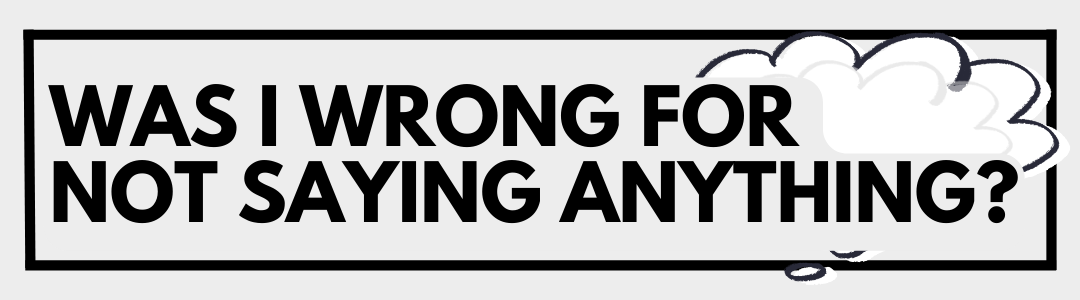
Dealing with microaggression is exhausting. We do not always have the energy to address every microaggressive comment or behavior we face. No one should feel pressured to say anything. If you do not want to say anything, then do not. Do what is best for you and your mental health.
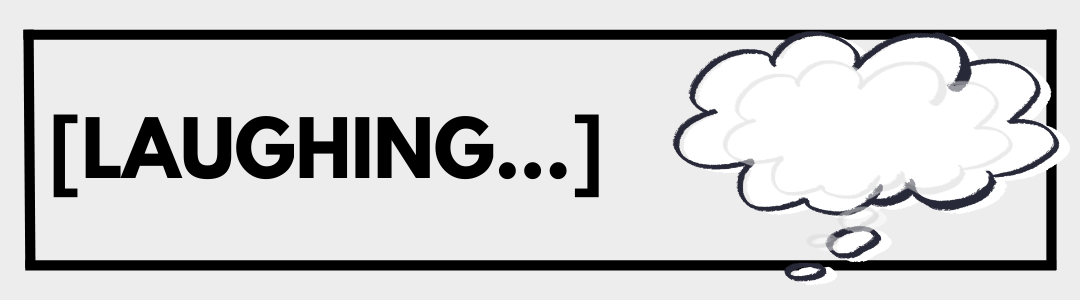
Many people (regardless of race) use laughing as a coping skill. This is a coping skill you may see when someone is experiencing microaggression. We may laugh for several reasons: to keep from crying, to keep from catching a case, or to keep from getting fired. We do not actually think you or your microaggressive comments are funny. A black/brown person laughing at a racial or microaggressive comment is not an invitation for you to laugh. It is the coping skill we are using to get us through the moment.
Clip from Conversation with Lee Stoutamire-Ramirez
Lee is in the upper left corner. The conversation is interpreted by Darryl Smith who is on the right half of the video screen. LaShawnda and Jasmine are in the bottom left corner.
Clip from Conversation with Dr. Suzette Garay
Dr. Garay is the person in the upper left of the video screen. Jasmine is in the upper right and LaShawnda is on the bottom center.
Please watch as Dr. Garay provides suggestions on how to approach uncomfortable conversations.
- View
- Make attempts: 1
Grading method: Highest grade